
Wybierz sklep
Zaloguj się
Wybierz sklep
Zaloguj się
Wybierz sklep

Ta część została zaprojektowana tak, aby pasowała do sprzętu Cat na podstawie specyfikacji producenta.
Wszelkie zmiany konfiguracji producenta mogą spowodować, że produkt nie będzie pasował do sprzętu Cat. Aby upewnić się, że ta część jest odpowiednia do danego sprzętu Cat w bieżącym stanie i przyjętej konfiguracji, skontaktuj się z dealerem Cat. Ten wskaźnik nie gwarantuje zgodności wszystkich części.
Regenerowane
Niepodlegające zwrotowi
Zestaw
Wymienione
Akumulatory hydrauliczne Cat i ich elementy wspomagają pracę maszyn, pełniąc funkcję bufora ciśnienia i energii: akumulatory hydrauliczne magazynują energię hydrauliczną przez sprężanie azotu przy wysokim ciśnieniu w układzie, a następnie uwalniają ją, gdy zapotrzebowanie gwałtownie rośnie lub ciśnienie spada, pomagając maszynom reagować szybko i płynnie, stabilizować ciśnienie, tłumić wstrząsy oraz utrzymywać kluczowe funkcje, takie jak hamowanie i sterowanie pilotowe, nawet podczas krótkich przerw w przepływie z pompy lub dostarczaniu mocy przez silnik.
Jakie części i podzespoły akumulatorów hydraulicznych oferuje Cat?
Cat oferuje silniki tłokowe, pompy tłokowe, pompy zębate, pompy hydrauliczne, akumulatory hydrauliczne hamulca zasadniczego, zespoły akumulatorów, bloki ładowania akumulatorów oraz wiele innych elementów do akumulatorów pęcherzowych i tłokowych. Klienci Cat mogą wybierać spośród wielu wariantów części do akumulatorów, w tym części nowych i Cat Reman. Wszystkie warianty są objęte ograniczoną gwarancją Caterpillar na części. Lokalny dealer Cat pomoże Ci dobrać odpowiednie elementy akumulatora hydraulicznego i wybrać najlepsze rozwiązania z uwzględnieniem Twojego budżetu oraz warunków pracy.
Jaką właściwie funkcję pełni akumulator hydrauliczny w ciężkim sprzęcie?
Akumulator hydrauliczny magazynuje płyn hydrauliczny pod ciśnieniem i uwalnia go w razie potrzeby, aby uzupełniać wydatek pompy, tłumić skoki ciśnienia i utrzymywać ciśnienie w układzie, gdy pompa nie pracuje. W maszynach Cat akumulatory są powszechnie stosowane w układach hamulcowych, obwodach zawieszenia i układach ciśnienia pilotowego.
Jak rozpoznać, czy mój akumulator hydrauliczny wymaga wymiany, czy tylko ponownego naładowania?
Objawy wskazujące na konieczność sprawdzenia akumulatora to m.in. opóźniona lub powolna reakcja pedału hamulca, utrata możliwości sterowania osprzętem po wyłączeniu silnika, wahania wskazań manometru oraz szybszy niż zwykle spadek ciśnienia w układzie po zatrzymaniu pompy.
Czym różni się akumulator pęcherzowy od tłokowego?
W akumulatorach pęcherzowych elastyczny gumowy pęcherz oddziela gaz od płynu hydraulicznego, zapewniając szybką reakcję i skuteczne tłumienie wstrząsów. W akumulatorach tłokowych tłok przesuwny oddziela gaz od płynu, zapewniając większą trwałość i precyzyjniejsze sterowanie w zastosowaniach wysokociśnieniowych. Właściwy wybór zależy od wymagań układu, takich jak zakres ciśnienia, czas reakcji i rodzaj zastosowania.

Regenerowany silnik tłokowy osiowy Cat® Reman o stałym wydatku
Cat
Długość (cale)
27,5
Wysokość (cale)
20,0
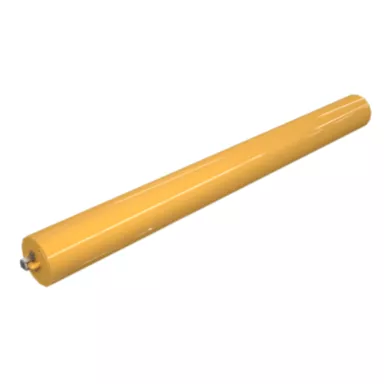
Cat
Wysokość (cale)
7,0
Długość (cale)
75,8
Material
Carbon Steel
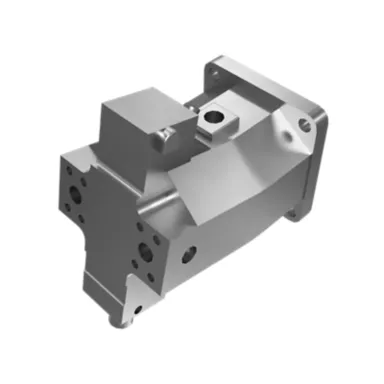
Silnik hydrauliczny Cat® Reman do kierowania, podnoszenia i hamowania w zbiorniku hydraulicznym
Cat
Długość (cale)
19,5
Wysokość (cale)
10,75

Regenerowany silnik tłokowy osiowy Cat® Reman o stałym wydatku
Cat
Długość (cale)
14,0
Średnica zewn. (cale)
11,0
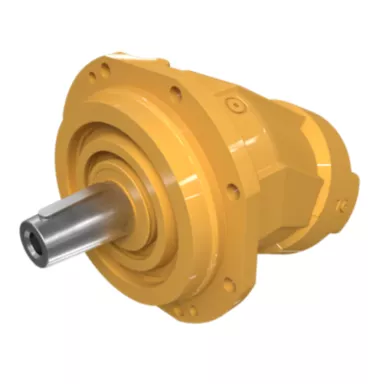
Regenerowany silnik tłokowy osiowy Cat® Reman o stałym wydatku
Cat
Długość (cale)
29,5
Wysokość (cale)
21,0
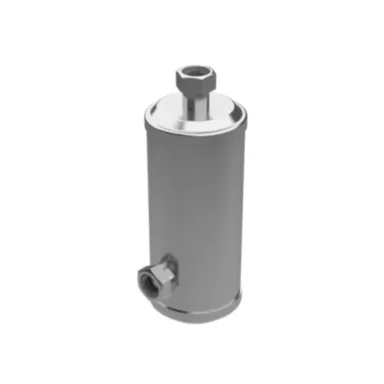
Akumulator układu klimatyzacji
Cat
Średnica (cale)
3,5
Wysokość (cale)
9,72
Długość (cale)
10,0
Rozmiar gwintu (cale)
(2x) 1-1/16-16-2B UNF
Material
Carbon Steel
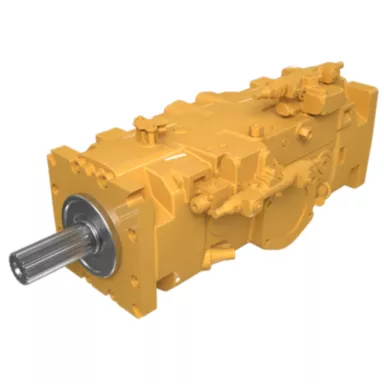
Cat Reman Double Axial Piston Pump (Variable Displacement)
Cat
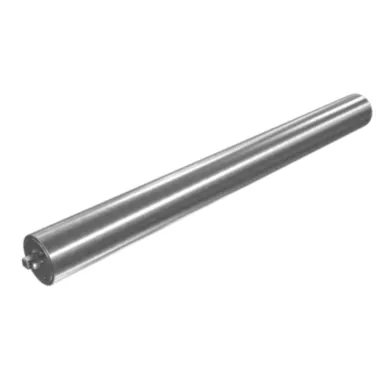
Akumulator Cat®
Cat
Ciśnienie robocze (kPa)
25 000,0
Pojemność (gal)
7,66
Długość (cale)
75,2
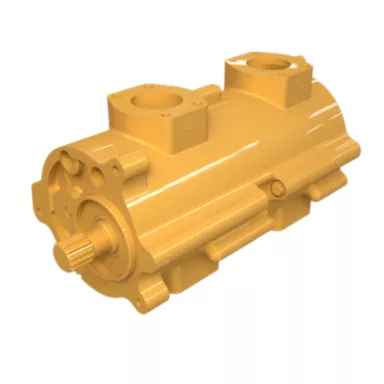
Regenerowana pompa zębata Cat® (2-sekcyjna)
Cat
Material
Sealants / Adhesives Adhesive
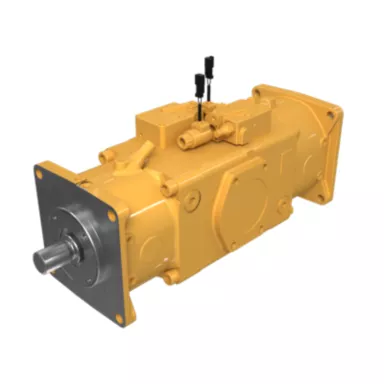
Cat Reman Double Axial Piston Pump (Variable Displacement)
Cat
Wysokość (cale)
13,0
Długość (cale)
13,5
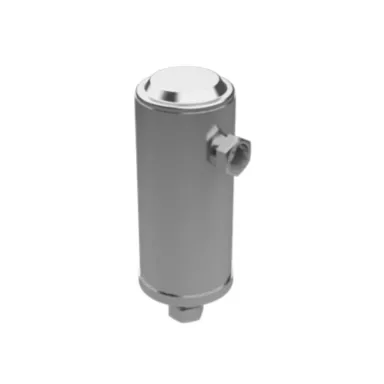
Akumulator układu klimatyzacji
Cat
Średnica (cale)
3,5
Wysokość (cale)
9,87
Długość (cale)
10,0
Rozmiar gwintu (cale)
(2x) 1-1/16-16-2B UNF
Material
Carbon Steel
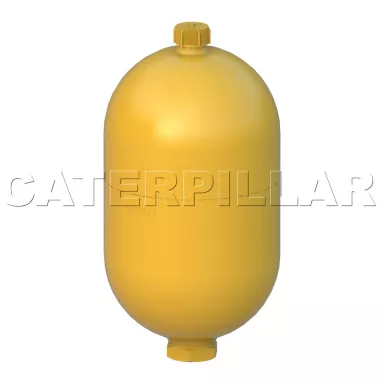
Cat
Wysokość (cale)
7,0
Długość (cale)
14,0
Material
Carbon Steel
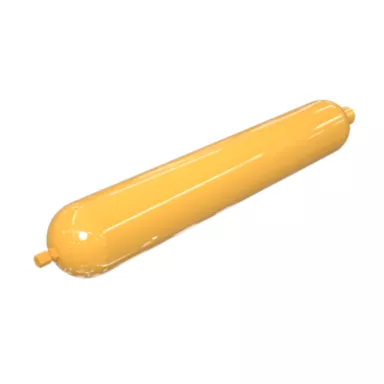
Akumulator hydrauliczny hamulcowy Cat® 39,64
Cat
Pojemność (gal)
10,47
Długość (cale)
59,98
Średnica zewn. (cale)
8,78
Temperatura (°F)
Od -40° do 224,6°
Masa (funty)
175,93
Material
Carbon Steel
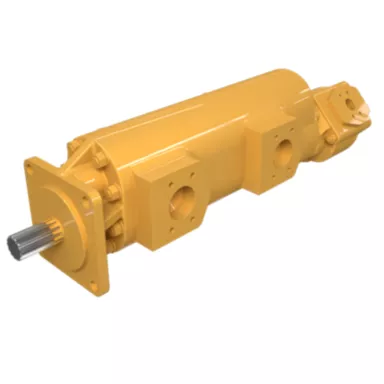
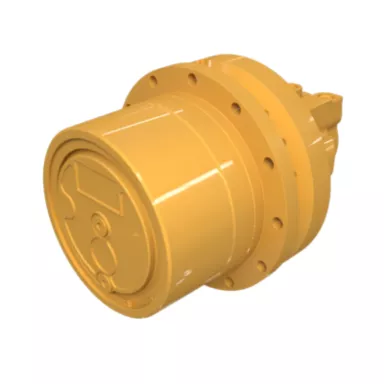
Silnik tłokowy Cat®
Cat
Długość (cale)
14,0
Średnica zewn. (cale)
11,0
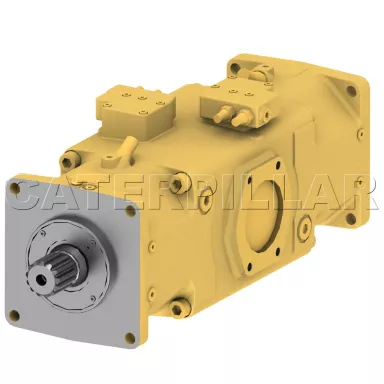
Regenerowana pompa dwutłokowa osiowa Cat® Reman o zmiennym wydatku
Cat
Długość (cale)
37,5
Wysokość (cale)
15,2
1 - 16 z 1130 wyniki(-ów)
1 - 16 z 1130 wyniki(-ów)
Wybierz sprzęt
Aby znaleźć pasujące części.
Dodaj sprzęt
Aby znaleźć pasujące części.