
Hydraulic Valve Groups & Components
Hydraulic Valve Groups & Components
1 - 16 of 1200 results
Sort By
1 - 16 of 1200 results
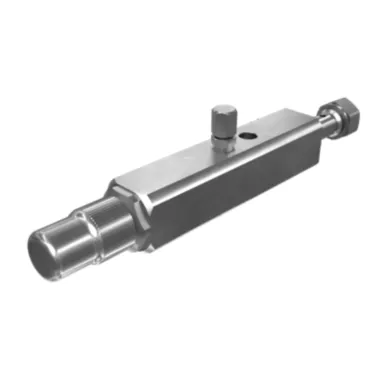
307-3245: Lubricant Injector
Cat® Lubricant Injector used in Lube Distribution Valve
Cat
Material Description
Steel
Length (in)
8.72
Width (in)
1.18
Material
Carbon Steel
Height (in)
1.2
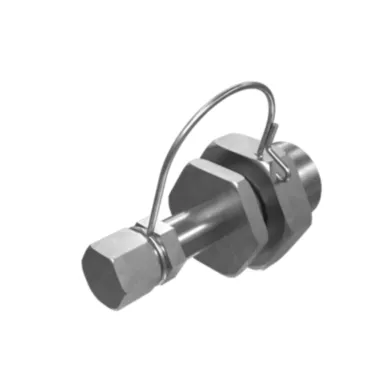
440-2667: 5/8-18 3A Suspension Cylinder Charging Valve
Cat® 5/8-18 3A Thread Suspension Cylinder Charging Valve used in Front Suspension
Cat
Material Description
Steel
Overall Length (in)
1.86
Hex Size (in)
0.875
Thread Size (in)
5/8-18
Material
Carbon Steel
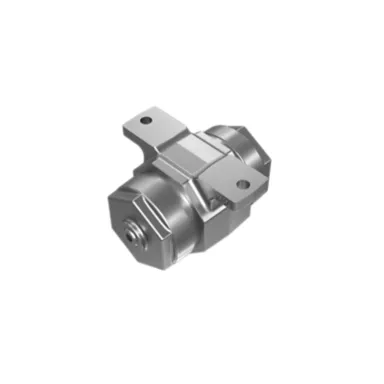
590-2533: Dual Slack Adjuster
Shop Cat® dual slack adjuster for the rear brakes of machines compatible with 590-2533. This part has a 257.3 mL/side maximum displacement.
Cat
Material
Steel,Oil Fluid,Carbon Steel
Standard Color
Cat Yellow
Dimensions (in)
9.7 X 6.9 X 4.8
Hole Size (in)
0.56 (2X)
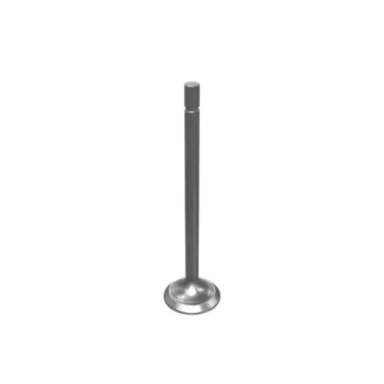
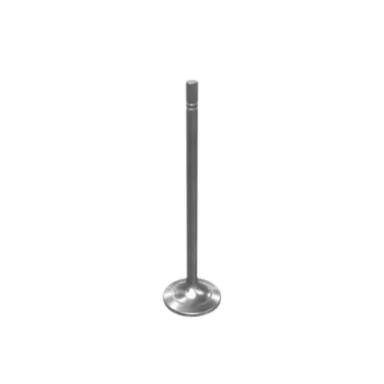
468-8825: Engine Head Exhaust Valve
Cat® Coated Engine Exhaust Valve used in Cylinder Head
Cat
Material
Alloy Chromium,Alloy Steel
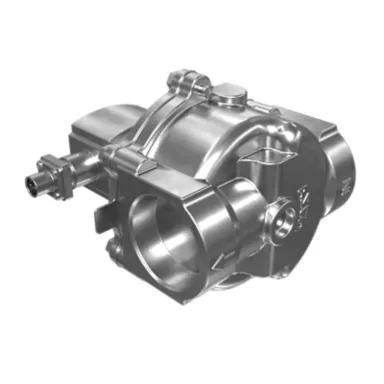
468-8824: Engine Head Inlet Valve
Cat® Coated Inlet Valve used in Engine Cylinder Head
Cat
Material
Alloy Steel,Alloy Chromium
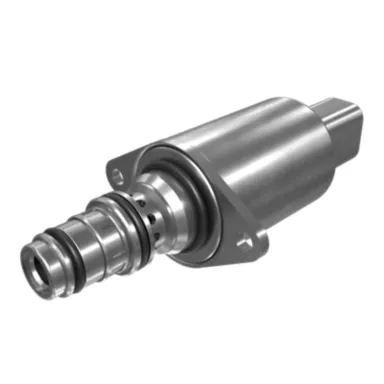
538-8794: Solenoid Valve
Cat® 190mm Height Solenoid Valve to Control Air Inlet and Exhaust
Cat
Voltage (volts)
24 V
Height (in)
7.48
Material
Cast Material,Alloy Aluminum
Overall Length (in)
6.38
Width (in)
6.1
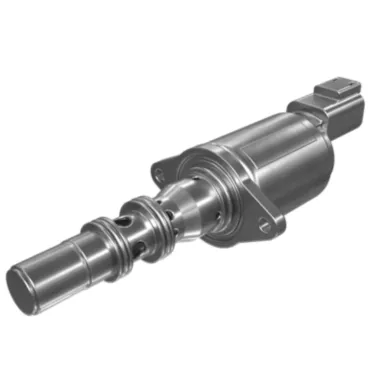
585-9230: 24 Volt Solenoid Valve
Cat® Solenoid Valve for valve body main control valve enables rapid switching of flow direction or stopping the flow altogether
Cat
Voltage (volts)
24 Vdc
Material
Carbon Steel
600-8815: Valve-Solenoid
Cat® Solenoid Valve (1200 mA Max Input)(Transmission)
Cat
Material
Carbon Steel
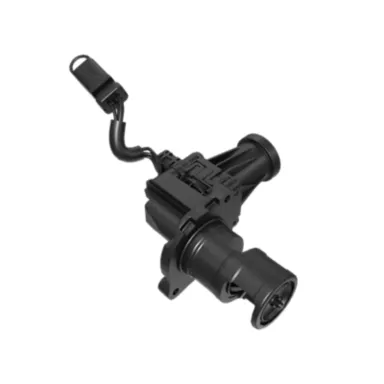
578-9953: Electric Engine Gas Recirculation Valve
Cat® Electric Engine Gas Recirculation Valve with 24 VDC Motor
Cat
Material
Alloy Aluminum,Corrosion Preventative Fluid
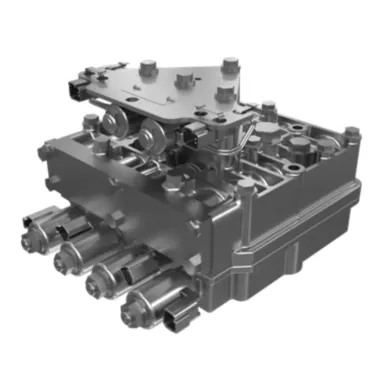
201-7272: Steering Clutch and Brake Control valve
Cat® Steering Clutch and Brake Control valve for steering control enables precise maneuvering and directional control
Cat
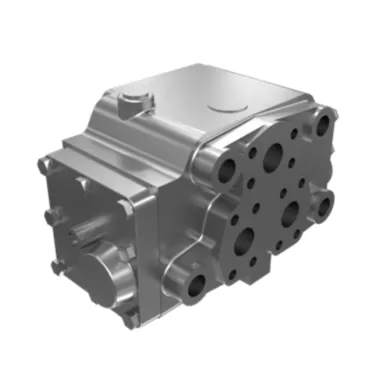
9T-8931: 3-38 Steering Valve
Cat® Steering Valve for hydraulic steering lines enables precise and effortless steering adjustments
Cat
Material
Carbon Steel
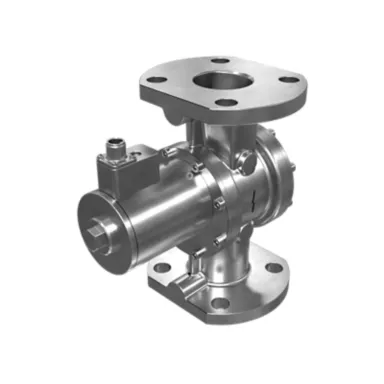
489-1434: Fuel System Solenoid Valve
Cat® 224mm Long Fuel System Solenoid Valve
Cat
Voltage (volts)
24 V
Height (in)
8.78
Material
Aluminum,Alloy Aluminum
Overall Length (in)
8.82
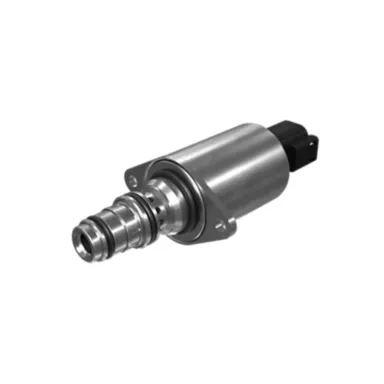
611-6430: 24V Solenoid Valve
Cat® 24V On/Off Solenoid Valve Group
Cat
Connector Type
2-Pin DT
Height (in)
4.01
Length (in)
1.93
Voltage (volts)
24
Width (in)
1.17
Material
Carbon Steel
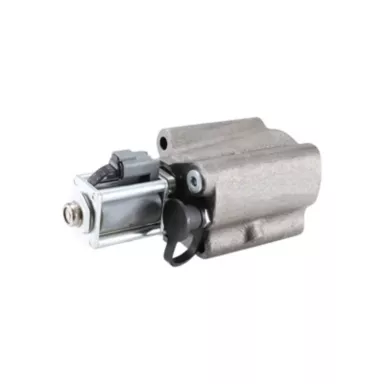
217-6720: Pilot Control Actuator
Cat® Pilot Control Actuator
Cat
Overall Height (in)
3.6
Weight (lb)
0.52
Overall Length (in)
8.2
Overall Width (in)
4.6
Material
Oil Fluid
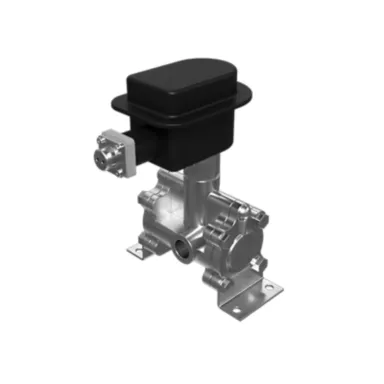
164-0717: Solenoid Valve
Cat® 24 Volt Solenoid Valve For Air Line/Pipe
Cat
Voltage (volts)
24 V
Thread
3/8-18 NPTF , 1/2-14 NPTF
Material
Alloy Copper
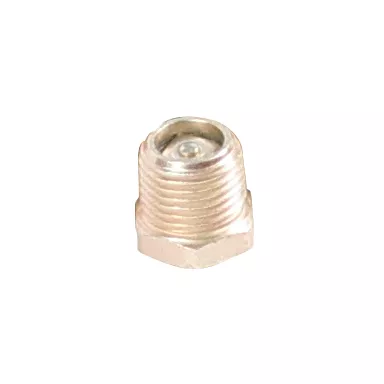
6U-1989: 1/8" PTF Relief Fitting
Cat® Relief Valve (PTF)
Cat
Length (in)
0.5
Hex Size (in)
0.44
Thread Size (in)
1/8-27
Material
Alloy Steel
Key
Key
Factory Fit
This part is designed to fit your Cat equipment based on the manufacturer’s specifications.
Any changes to the manufacturer’s configuration might result in the product not fitting your Cat equipment. Please consult your Cat Dealer before purchasing to ensure that this part is appropriate for your Cat equipment in its current condition and assumed configuration. This indicator cannot guarantee compatibility for all parts.
Remanufactured
Non-Returnable
Kit
Replaced
Cat Hydraulic Valves and Other Valve Group Components for Hydraulic System Management
Customer demand for more powerful and easier to operate equipment has elevated the importance of proper hydraulic system management. The condition of a machine's hydraulics can make a big difference in the amount of work that gets done and at what price. Cat® dealers offer a range of integrated system management services to help machine owners maintain top-performing hydraulics.
Poor system management can lead to hydraulic system component failures. When these occur, they generate large amounts of abrasive debris that circulates throughout the system. Cleaning up after a hydraulic component failure can take weeks and cost thousands of dollars!
To help avoid hydraulic system component failures Cat dealers offer three integrated services to help keep your hydraulic systems operating at peak performance:
- Contamination Control
- S•O•SSM Services
- Technical Inspections
Contamination Control
Fluid contamination is the leading cause of hydraulic system failures. By learning to control contamination, you can help maintain system efficiency, extend component life, and correct problems before they lead to costly repairs and unscheduled downtime. The Caterpillar Hydraulic System Management Guide explains what contamination is, how it gets in, why it's harmful to today's hydraulics, and how machine owners can team with Caterpillar and Cat Dealers to control it.
Internal clearance range is measured in size from 5 to 30 microns. To put this in perspective, the diameter of a human hair is 80 microns. The smallest particle seen by the human eye is 40 microns. So, even particles too small to see can damage today's hydraulics.
Schedule Oil Services S•O•SSM
Because hydraulic systems are closed systems, much of what you need to know is happening internally. The best way to monitor contamination and the overall health of your hydraulic system is the use of your Cat Dealer's S•O•SSM Services.
Regular fluid sampling identifies problems early and helps you head off major repair expenses. Caterpillar engineers and chemists have developed oil analysis tests to evaluate not just the oil, but also the condition of hydraulic components. Our skilled technicians interpret the findings and can quickly diagnose problems more accurately than independent oil labs.
Cat S•O•S Services Reports:
- Oil Cleanliness Analysis (particle count)
- Wear Rate Analysis (component wear)
- Oil Condition Analysis (oil degradation)
- Oil Contamination Analysis (external contaminants)
Tech Inspections
Efficiency loss is not easily detected and silently robs your machine of performance. Daily hydraulic system inspections performed by you and your operators can find leaks and other small problems before they result in unscheduled downtime.
To make sure hydraulics-intensive equipment is performing at its best, Caterpillar recommends detailed checks of the engine and hydraulics every 2,000 operating hours or when fluid analysis reports show high levels of contamination. These periodic inspections include checks of system pressures, cycle times, and more that can identify problems and help us recommend corrective actions.
One of the effects of fluid contamination is hydraulic system efficiency loss, which occurs slowly over time. Studies show hydraulic system efficiency can erode as much as 20 percent before even the most astute machine operators detect there's a problem. This equates to increased fuel usage, decreased production, extended job times, and additional wear and tear on the machine.
Effective management of the hydraulic system helps keep machines performing at peak productivity while minimizing downtime and operating cost.
Ask your Cat Dealer how we can incorporate a hydraulic system management program into a Customer Support Agreement to achieve these results today.
Cat® Hydraulic Valve Groups & Components Frequently Asked Questions
How do I tell which hydraulic valve or solenoid is causing a problem on my machine?
Hydraulic valve groups and components available include control valve spools and bodies, pilot valves, solenoid valves, pressure relief valves, check valves, flow control valves, and valve service seal kits. These are available both as complete assemblies and as individual service components.
What does a hydraulic pressure relief valve do and what happens when it fails?
A hydraulic pressure relief valve protects the system by limiting maximum pressure. When pressure exceeds the set limit, the valve opens and diverts fluid back to the tank. If it fails, it may remain open, causing low pressure, or fail closed, leading to dangerous overpressure.
Can I replace a hydraulic valve body or spool myself, or does it need specialist work?
Replacement can be performed by a qualified technician with the proper tools and a clean working environment. Precision and cleanliness are critical when working with hydraulic components.
One of the effects of fluid contamination is hydraulic system efficiency loss, which occurs slowly over time. Studies show hydraulic system efficiency can erode as much as 20 percent before even the most astute machine operators detect there's a problem. This equates to increased fuel usage, decreased production, extended job times, and additional wear and tear on the machine.
